Pain BridgeMovement & rehabilitation

Yoga guided back to movement

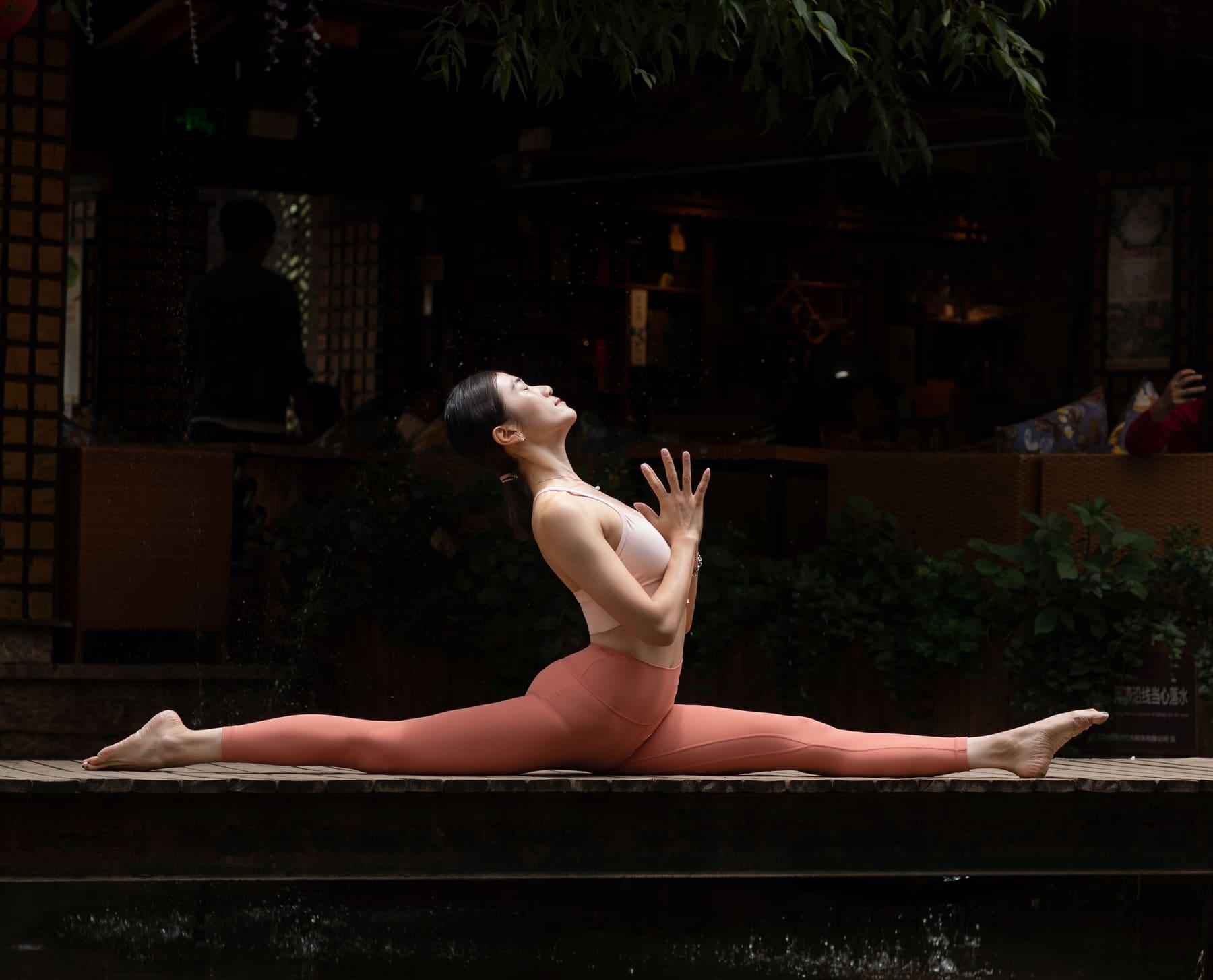
Structured, individually guided yoga therapy combining postures, breathwork, and relaxation, used clinically as an adjunct for pain, mood, and balance.

What it is and how it works

Structured, individually guided yoga therapy combining postures (asana), breathwork (pranayama), and relaxation or meditation practice, used clinically as an adjunct for pain, mood, balance, and general conditioning. Proposed mechanisms include vagal/parasympathetic modulation, reduced inflammatory markers, and stress-hormone regulation, alongside the direct physical-conditioning effects of guided movement.

  • Assessed first. We look at the whole pain pattern before recommending this.

  • Individualised. Dose, pace and progression are matched to you.

  • Reviewed. Progress is checked at follow-ups and the plan changes if it isn't working.

Two sides. A clearer picture.

In the clinic

How it's done

Delivered as individual or small-group sessions, typically 45–60 minutes, prescribed at a frequency (commonly two to three times weekly) matched to the patient's condition and physical capacity, by a qualified yoga therapist working in coordination with the treating clinician.

Our approach

Why Pain Bridge

Yoga therapy at Pain Bridge is prescribed as an individualized, physician-coordinated adjunct within a patient's broader pain, mental-health, or movement-disorder plan, reflecting our model of measured outcomes built around, rather than in place of, medically necessary care.

Questions, answered

Is yoga therapy safe for everyone?

It's generally safe when practiced with qualified guidance and poses adapted appropriately, though caution or modification is needed in pregnancy, for older adults, and for people with conditions like significant spine disease, uncontrolled high blood pressure, or glaucoma, which is why sessions are individualized and reviewed for contraindications.

What does the evidence actually show for yoga and pain or anxiety?

Evidence is mixed but generally positive: several systematic reviews and clinical-practice guidelines support yoga as a helpful adjunct for chronic low-back pain, neck pain, and anxiety, though effect sizes are often modest and yoga is not positioned as a stand-alone replacement for medically necessary care.

References

  1. Wieland LS, Skoetz N, Pilkington K, et al. Yoga for chronic non-specific low back pain. Cochrane Database of Systematic Reviews, 2022. Source

Pain for months? Let's look properly.

  1. 1Book a visitChoose a time at our Delhi clinic.
  2. 2Full assessmentWe look at your whole pain pattern, not a single scan or test result.
  3. 3Your planYou leave with a plan, the reasoning behind it, and dates to review it.