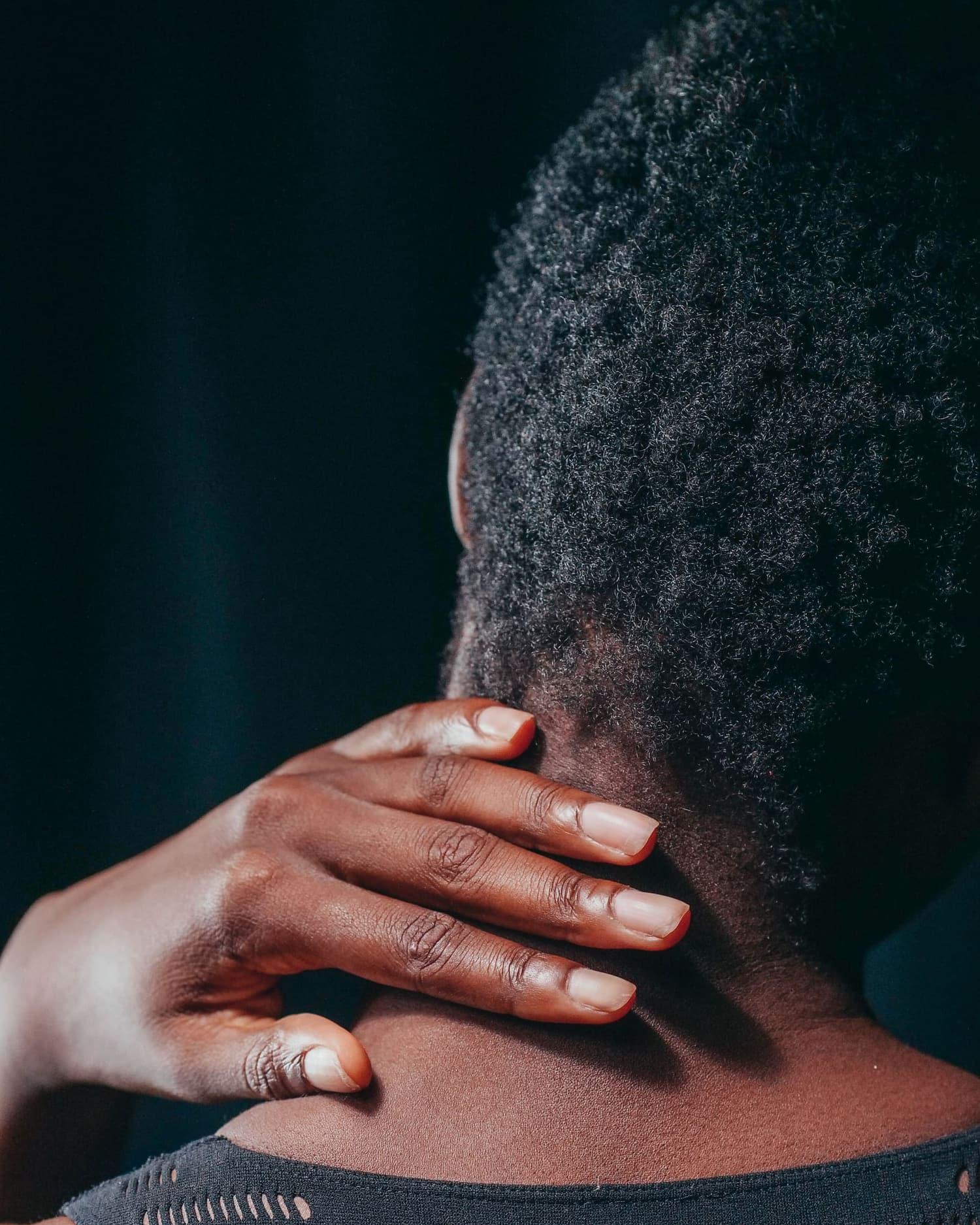
Pain BridgeMovement & rehabilitation

Multidisciplinary pain-rehabilitation program guided back to movement

A coordinated, team-based program bringing physiotherapy, psychology, medical review, and occupational therapy together around a single functional-restoration goal.

What it is and how it works

A coordinated, team-based program bringing together physiotherapy, psychology, medical review, and occupational therapy around a single functional-restoration goal, rather than treating pain through a single specialty in isolation.

  • Assessed first. We look at the whole pain pattern before recommending this.

  • Individualised. Dose, pace and progression are matched to you.

  • Reviewed. Progress is checked at follow-ups and the plan changes if it isn't working.

Two sides. A clearer picture.

In the clinic

How it's done

Typically administered as a structured program combining scheduled sessions across disciplines — for example, physiotherapy several times weekly alongside periodic psychology and medical review — over a defined course of weeks, with progress tracked against functional (not purely symptom-based) goals.

Our approach

Why Pain Bridge

This program is the clearest expression of Pain Bridge's coordinated, multi-modality model for pain — several disciplines working the same case in parallel toward function, with outcomes discussed as individual rather than guaranteed.

Questions, answered

How long does the program typically last?

Program length varies by clinic and condition, but structured multidisciplinary pain-rehabilitation programs are commonly delivered as an intensive course of several weeks, combining near-daily sessions across physiotherapy, psychology, and medical review rather than a single long-running therapy track.

How is this different from just seeing a physiotherapist?

It combines several disciplines — physiotherapy, psychology, medical review, and occupational therapy — working the same case in parallel toward shared functional goals, rather than treating pain through one specialty alone. Evidence generally favours this combined approach over single-discipline treatment for chronic pain.

References

  1. Kamper SJ, Apeldoorn AT, Chiarotto A, et al. Multidisciplinary biopsychosocial rehabilitation for chronic low back pain: Cochrane systematic review and meta-analysis. BMJ, 2015. Source
  2. National Institute for Health and Care Excellence (NICE) Chronic pain (primary and secondary) in over 16s: assessment of all chronic pain and management of chronic primary pain (NG193). NICE guideline, 2021. Source

Pain for months? Let's look properly.

  1. 1Book a visitChoose a time at our Delhi clinic.
  2. 2Full assessmentWe look at your whole pain pattern, not a single scan or test result.
  3. 3Your planYou leave with a plan, the reasoning behind it, and dates to review it.