Pain BridgeIntegrative care

Dry needling within a measured plan

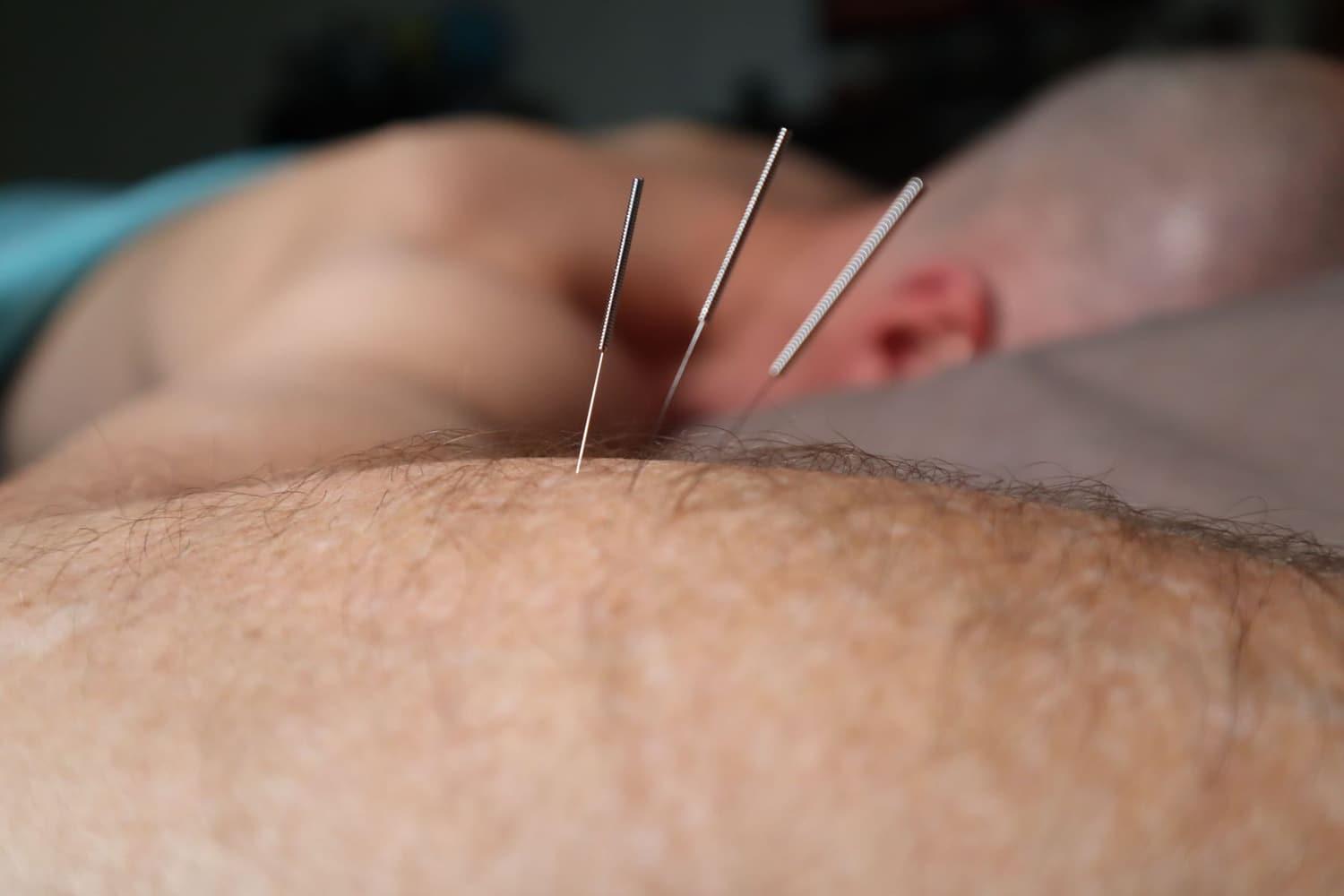
A physiotherapy-led technique inserting thin needles directly into muscular trigger points to release tension and reduce localized pain.

What it is and how it works

A physiotherapy-led technique using thin, solid filiform needles inserted directly into muscular trigger points, distinct from acupuncture in its rationale though similar in tool, intended to release muscular tension and reduce localized pain.

  • Assessed first. We look at the whole pain pattern before recommending this.

  • Individualised. Dose, pace and progression are matched to you.

  • Reviewed. Progress is checked at follow-ups and the plan changes if it isn't working.

Two sides. A clearer picture.

In the clinic

How it's done

Typically administered as part of an in-clinic physiotherapy session lasting a few minutes per treated area, performed by a trained physiotherapist, with sessions spaced days to weeks apart as part of a broader rehabilitation plan.

Our approach

Why Pain Bridge

Delivered as one technique within Pain Bridge's physiotherapy-led musculoskeletal care, not as a stand-alone offering.

Questions, answered

Does dry needling hurt?

It can cause a brief prick or a muscle twitch as the needle reaches the trigger point, which is usually taken as a sign the muscle is responding; mild soreness or bruising for a day or two afterward is common.

Who should avoid dry needling?

It's generally avoided in people with a needle phobia, an active infection or skin condition at the treatment site, a bleeding disorder or blood-thinning medication, or in young children, and used cautiously in pregnancy; a treating clinician screens for these before starting.

References

  1. Dach F, Ferreira KS Treating myofascial pain with dry needling: a systematic review for the best evidence-based practices in low back pain. Arquivos de Neuro-psiquiatria, 2023. Source

Pain for months? Let's look properly.

  1. 1Book a visitChoose a time at our Delhi clinic.
  2. 2Full assessmentWe look at your whole pain pattern, not a single scan or test result.
  3. 3Your planYou leave with a plan, the reasoning behind it, and dates to review it.