Pain BridgeNeuromodulation

TENS (Transcutaneous Electrical Nerve Stimulation) calming the signal

Low-intensity electrical stimulation through skin electrodes, offered as a self-manageable adjunct within a broader supervised pain plan.

What it is and how it works

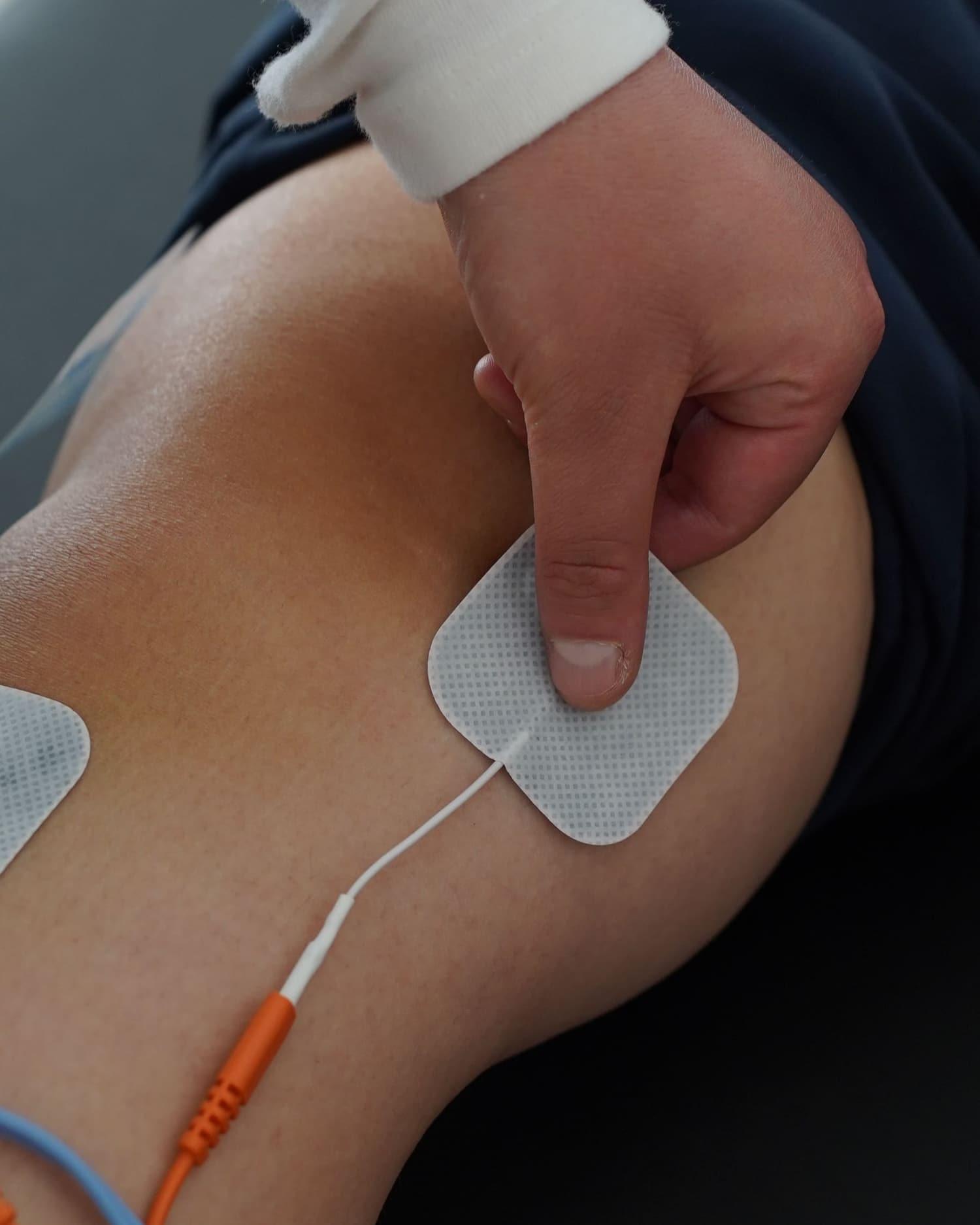
Low-intensity electrical stimulation delivered through electrode pads placed on the skin over or near a painful area, intended to modulate pain signalling at the level of the spinal cord and support short-term symptomatic relief.

  • Assessed first. We look at the whole pain pattern before recommending this.

  • Individualised. Dose, pace and progression are matched to you.

  • Reviewed. Progress is checked at follow-ups and the plan changes if it isn't working.

Two sides. A clearer picture.

In the clinic

How it's done

Typically administered as sessions of roughly 20–60 minutes, either in-clinic as part of a physiotherapy visit or via a small portable unit patients can use themselves under initial clinical guidance, often multiple times per week or as needed for symptom relief.

Our approach

Why Pain Bridge

Consistent with Pain Bridge's practical, patient-accessible approach to pain management, TENS is offered as a self-manageable adjunct within a broader supervised plan.

Questions, answered

Does TENS hurt, or feel like an electric shock?

No, it shouldn't. Most people feel a tingling or buzzing sensation at an intensity adjusted to their comfort, without pain or muscle contraction; the device is not designed to deliver a shock.

Who shouldn't use TENS?

TENS is generally avoided in people with a pacemaker or other implanted electrical device, during pregnancy or with epilepsy without specific guidance, and over broken skin, infected areas, or the front of the neck; a clinician should confirm suitability first.

References

  1. Johnson MI, Paley CA, Jones G, et al. Efficacy and safety of transcutaneous electrical nerve stimulation (TENS) for acute and chronic pain in adults: a systematic review and meta-analysis of 381 studies (the meta-TENS study). BMJ Open, 2022. Source

Pain for months? Let's look properly.

  1. 1Book a visitChoose a time at our Delhi clinic.
  2. 2Full assessmentWe look at your whole pain pattern, not a single scan or test result.
  3. 3Your planYou leave with a plan, the reasoning behind it, and dates to review it.