Pain BridgeMovement & rehabilitation

Physical therapy guided back to movement

Structured, individualized exercise and movement therapy addressing strength, balance, and mobility across developmental and adult neurological care.

What it is and how it works

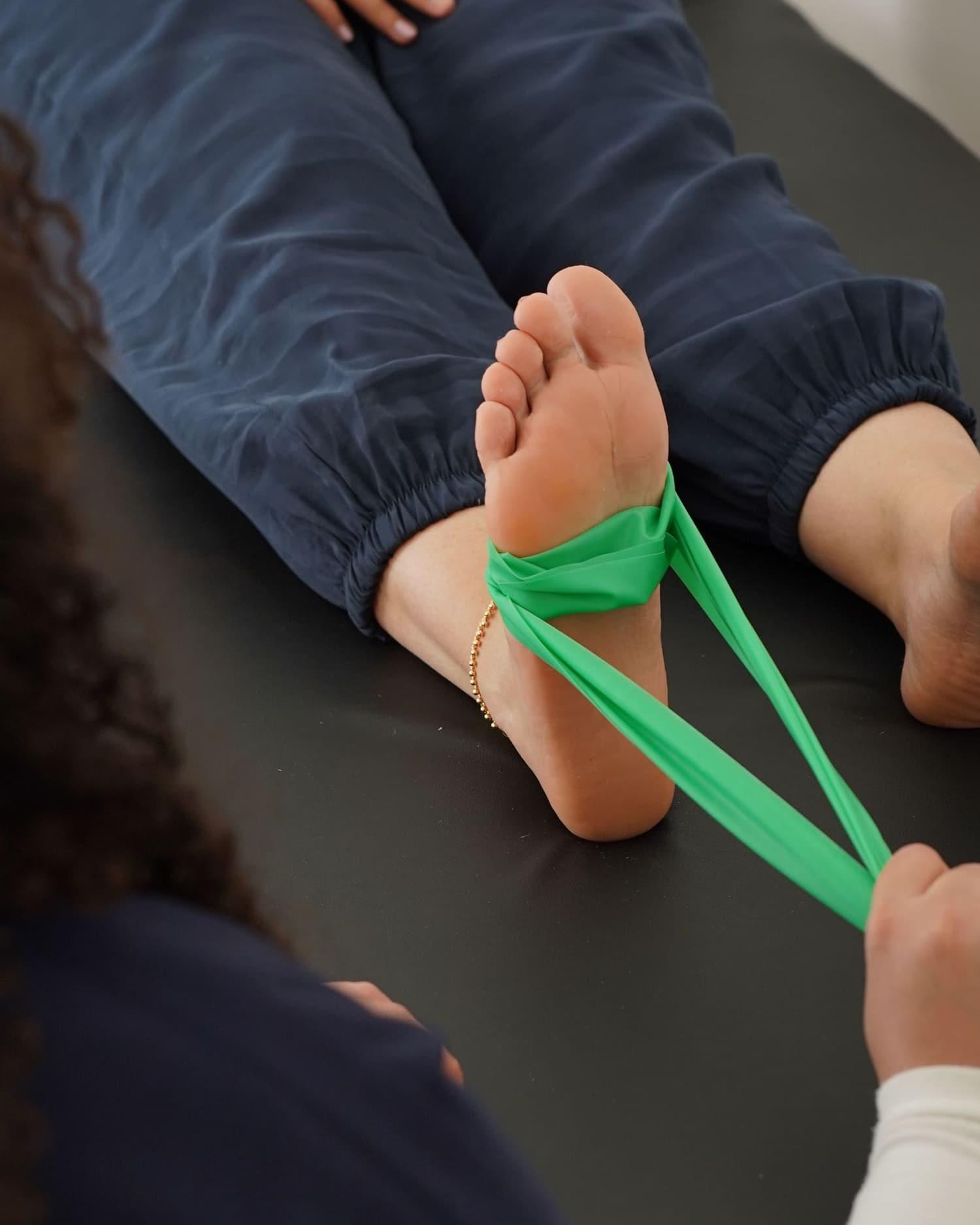
Physical therapy (PT) is structured, individualized exercise and movement therapy addressing strength, balance, gross-motor function, and mobility. In children, it is built around functional milestones (sitting, walking, stair use) rather than generic exercise routines.

  • Assessed first. We look at the whole pain pattern before recommending this.

  • Individualised. Dose, pace and progression are matched to you.

  • Reviewed. Progress is checked at follow-ups and the plan changes if it isn't working.

Two sides. A clearer picture.

In the clinic

How it's done

An initial assessment session typically runs about an hour; subsequent sessions generally run 30–60 minutes. Frequency ranges from weekly appointments to more intensive multiple-times-weekly sessions depending on the condition and goals, delivered by a licensed physiotherapist in a clinic, hospital, or home setting.

Our approach

Why Pain Bridge

PT is used at Pain Bridge as a core rehabilitation modality across both developmental and adult neurological care, reflecting the clinic's integrated approach to restoring function across the lifespan.

Questions, answered

Does physical therapy hurt?

It shouldn't cause sharp or lasting pain when performed by a licensed therapist, though some soreness after stretching or strengthening exercises is common and expected as part of the process.

How many sessions will I need?

It varies by condition and goals — many patients attend one to two sessions weekly for several weeks to a few months, with the treating physiotherapist adjusting frequency based on progress.

References

  1. Hayden JA, Ellis J, Ogilvie R, et al. Exercise therapy for chronic low back pain. Cochrane Database of Systematic Reviews, 2021. Source

Pain for months? Let's look properly.

  1. 1Book a visitChoose a time at our Delhi clinic.
  2. 2Full assessmentWe look at your whole pain pattern, not a single scan or test result.
  3. 3Your planYou leave with a plan, the reasoning behind it, and dates to review it.