Pain BridgeIntegrative care

Nasya within a measured plan

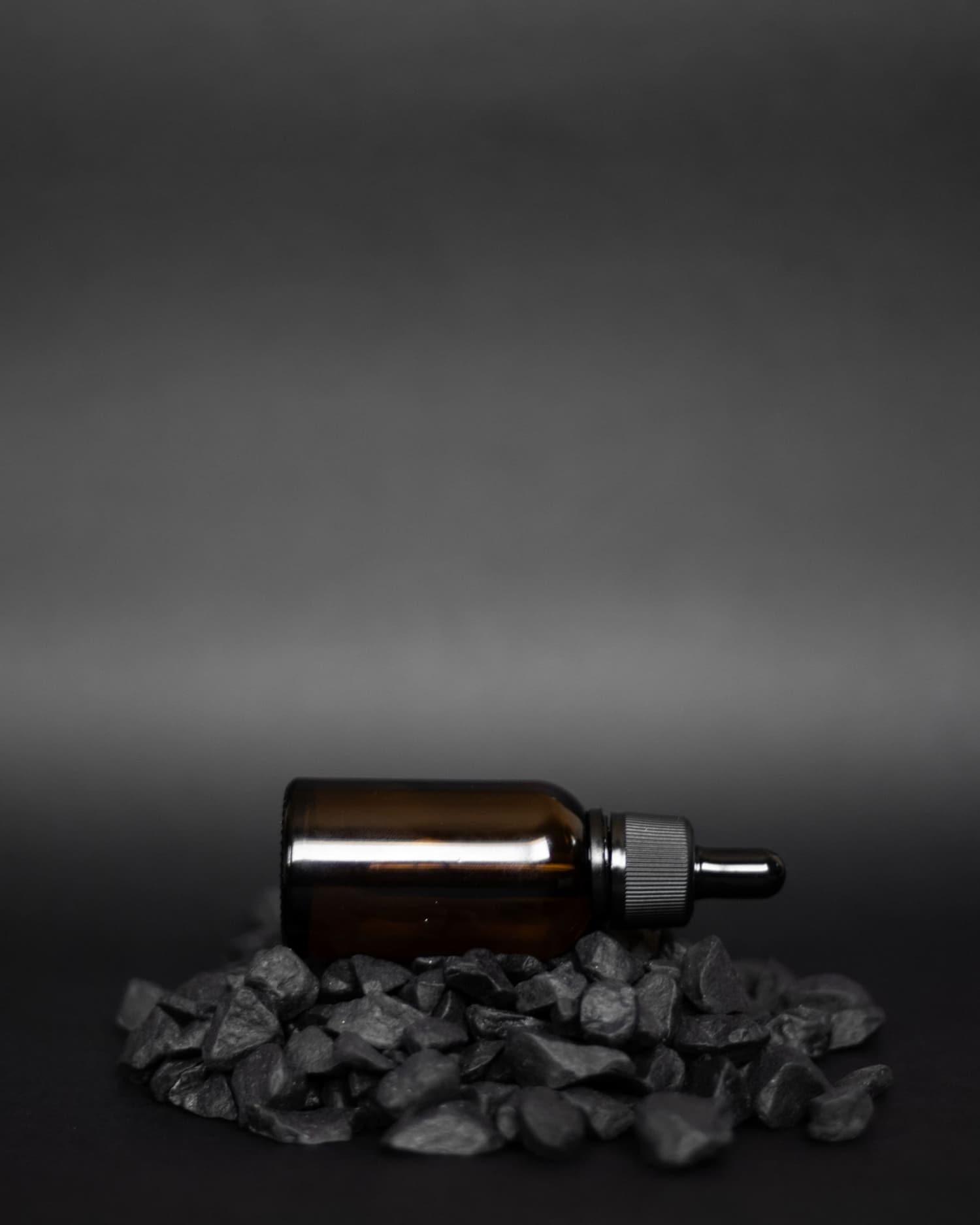
Nasal administration of medicated oil, powder, or decoction — one of Panchakarma's five main procedures — used as an adjunct for head, neck, and sinus concerns.

What it is and how it works

Nasya is one of Panchakarma's five main procedures — the nasal administration of medicated oil, powder, or decoction, used within classical Ayurveda to cleanse and treat conditions of the head, neck, sinuses, and upper respiratory tract. Ayurvedic texts describe the nose as the gateway to the head region (Nasa hi Shiraso Dwaram), making Nasya the traditional route for addressing disorders located above the clavicle.

  • Assessed first. We look at the whole pain pattern before recommending this.

  • Individualised. Dose, pace and progression are matched to you.

  • Reviewed. Progress is checked at follow-ups and the plan changes if it isn't working.

Two sides. A clearer picture.

In the clinic

How it's done

Typically administered as a short in-clinic procedure: the patient reclines with the head tilted back, and drops of medicated oil (Snehana Nasya), powder (Pradhamana Nasya), or decoction (Navana Nasya) are instilled into each nostril, often preceded by facial massage or steam. Delivered either as a standalone short course over several days or as part of a broader Panchakarma program, by a qualified Ayurvedic physician or trained therapist under supervision.

Our approach

Why Pain Bridge

Nasya is offered at Pain Bridge strictly as an individualized, supervised adjunct to a patient's core neurological or pain-management plan — never presented as a treatment capable of curing or replacing medically necessary care for the underlying condition.

Questions, answered

Is Nasya safe, and is anyone advised against having it?

When given by a trained Ayurvedic practitioner it's generally well tolerated, though nasal irritation and other reactions are reported. It's typically avoided during pregnancy, in young children, in the very elderly, and in anyone with acute fever, uncontrolled blood pressure, active nasal infection, or a bleeding disorder — suitability should be confirmed by a qualified practitioner first.

How strong is the scientific evidence for Nasya?

Nasya has a long history within traditional Ayurvedic practice for head, sinus, and neurological-region complaints, but modern clinical research is limited and mostly small, early-stage studies — so it's offered as a supervised adjunct, not a substitute for medically necessary treatment of the underlying condition.

Pain for months? Let's look properly.

  1. 1Book a visitChoose a time at our Delhi clinic.
  2. 2Full assessmentWe look at your whole pain pattern, not a single scan or test result.
  3. 3Your planYou leave with a plan, the reasoning behind it, and dates to review it.